


The Evolution of Album Cover Design in the Streaming Era
The music industry has undergone a massive transformation over the past two decades. What was once a physical-first experience—defined by vinyl records, CD cases, and cassette tapes—has shifted into a predominantly digital ecosystem driven by streaming platforms. This evolution has not only changed how music is consumed but has fundamentally reshaped album cover design trends, forcing artists, designers, and brands to rethink how visual identity is created, applied, and experienced.
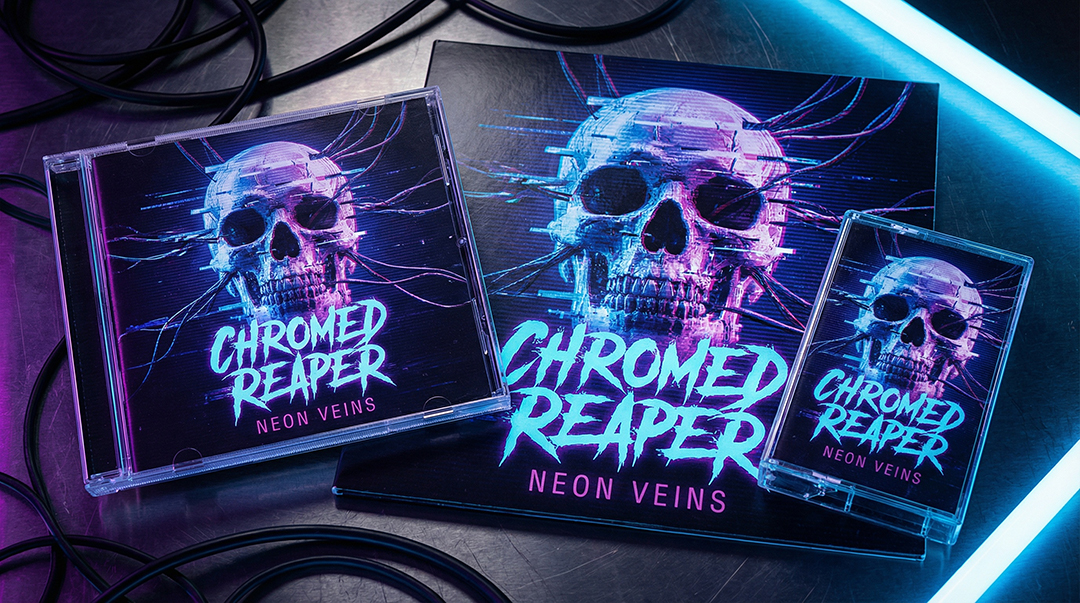
Today, album artwork is no longer confined to a 12-inch vinyl sleeve or a jewel case insert. Instead, it must live everywhere at once—on streaming platforms, social media feeds, merchandise, websites, posters, and promotional photography. Because of this, the importance of strong visual recognition and cohesive branding across all formats has never been more critical. Artists who succeed in today’s landscape are not just making music—they are building immersive, instantly recognizable visual worlds.
From Physical to Digital: A Shift That Changed Everything
In the era of vinyl and CDs, album cover design was a tactile experience. Fans would hold the record sleeve, study the artwork, read liner notes, and connect deeply with the visual storytelling. Designers had a large canvas to work with, allowing for intricate details, layered compositions, and experimental layouts.
However, the rise of platforms like Spotify and Apple Music dramatically reduced that canvas. Album artwork is now often viewed as a small thumbnail on a smartphone screen. This shift forced designers to adapt quickly, prioritizing clarity, boldness, and immediate visual impact.
Modern album artwork design must now:
- Be instantly recognizable at small sizes
- Maintain clarity across multiple screen resolutions
- Stand out in crowded digital interfaces
- Translate seamlessly across platforms
This transition didn’t eliminate the importance of physical formats—it expanded the responsibility of design. Today’s artwork must function both as a small digital icon and as a large-format physical print, often at the same time.
The Rise of Digital-First Design Thinking
As streaming became dominant, designers began adopting a digital-first approach. This means creating artwork that is optimized primarily for screens, then adapting it for physical formats rather than the other way around.
Key characteristics of digital-first album design include:
- Bold, readable typography
- High-contrast color palettes
- Centralized focal points
- Minimal clutter
- Strong silhouette recognition
These elements ensure that artwork remains impactful whether it’s displayed as a tiny square on a playlist or blown up on a poster at a live show.
Minimalism has become one of the defining aesthetics of this era. By stripping away unnecessary details, designers can focus on creating a powerful visual identity that is easy to recognize and remember. However, minimalism doesn’t mean simplicity in concept—it means clarity in execution.
Why Visual Recognition Is Everything in Music Branding
In today’s saturated music landscape, attention is the most valuable currency. Artists are competing not only with other musicians but with every form of digital content. This is where visual recognition becomes a critical advantage.
A strong visual identity allows fans to instantly recognize an artist’s work without reading a name or title. This recognition builds familiarity, trust, and emotional connection over time.
To achieve this, artists must maintain consistent design language across all touchpoints, including:
- Record album sleeves (vinyl packaging)
- CD cases and inserts
- Cassette tapes and packaging
- Streaming platform artwork
- Social media graphics
- Posters and promotional materials
- Photography and press images
- Merchandise such as t-shirts, hoodies, and accessories
When all of these elements share a unified visual style—through color schemes, typography, imagery, and tone—they reinforce each other and create a cohesive brand experience.
Without this consistency, an artist risks appearing fragmented or unprofessional, making it harder for fans to form a lasting connection.
Designing for Multiple Formats: A Unified Approach
One of the biggest challenges in modern graphic design for musicians is ensuring that artwork translates effectively across drastically different formats.
1. Vinyl Record Sleeves
Vinyl offers the largest canvas and the most immersive experience. Designers can include:
- Detailed illustrations
- Expanded typography
- Gatefold layouts
- Additional artwork and inserts
This format allows for storytelling and depth, making it ideal for creating a premium visual experience.
2. CD Cases
CD packaging requires a more compact approach. The design must remain impactful while fitting into smaller dimensions. Clarity and composition become even more important.
3. Cassette Cases
Cassettes have made a comeback, especially in indie and underground scenes. Their narrow format requires creative layout solutions while maintaining brand consistency.
4. Streaming Platforms
Streaming artwork must be optimized for small screens. This is where bold design choices and strong focal points are essential.
5. Posters and Promotional Materials
Posters allow designers to expand on the album’s visual theme. They should feel like an extension of the artwork, not a separate concept.
6. Photography
Artist photography plays a major role in reinforcing visual identity. Lighting, color grading, wardrobe, and composition should align with the album’s design language.
7. Merchandise
Merch is where design meets fashion. Successful merch design takes elements from the album artwork and adapts them into wearable, desirable pieces.
The Power of Cohesive Branding Across All Platforms
Consistency across platforms is not just about aesthetics—it’s about strategy. When fans encounter an artist’s visuals repeatedly in different contexts, it strengthens brand recall.
For example:
- A fan sees album artwork on Spotify
- Then recognizes the same design on a t-shirt
- Then sees matching visuals on Instagram
- Then attends a concert with posters and stage visuals that match
This repetition creates a powerful, unified experience that deepens engagement and loyalty.
Artists who invest in cohesive branding are more likely to:
- Build a recognizable identity
- Increase merch sales
- Improve fan retention
- Stand out in a crowded market
Motion Graphics and the Future of Album Artwork
One of the most exciting developments in recent years is the rise of animated album covers. Platforms now support looping visuals, allowing artists to add motion to their designs.
Popular motion trends include:
- Subtle animations (smoke, light flicker, movement)
- Glitch effects
- Cinemagraphs
- Looping video sequences
These elements create a more immersive experience and help capture attention in fast-scrolling environments.
Motion design also opens the door for expanded storytelling, allowing artists to bring their visual worlds to life in new ways.
Balancing Creativity and Functionality
While creativity is essential, modern album design must also be functional. Designers must consider:
- Legibility at small sizes
- Platform requirements and cropping
- File formats and compression
- Cross-platform compatibility
The best designs strike a balance between artistic expression and practical usability.
The Role of Photography in Album Design
Photography remains one of the most powerful tools in music branding. A strong artist image can define an entire era of music.
Current trends in music photography include:
- Cinematic lighting
- Film-inspired textures
- Environmental storytelling
- Stylized color grading
When photography is aligned with album artwork and overall branding, it creates a cohesive visual identity that feels intentional and professional.
Merch Design as an Extension of Album Artwork
Merchandise is no longer an afterthought—it’s a core part of an artist’s brand. Successful merch design takes inspiration from album artwork and adapts it into wearable formats.
Key principles include:
- Simplicity and boldness
- Wearability and fashion appeal
- High-quality materials
- Limited edition releases
When merch aligns with the album’s visual identity, it becomes a powerful marketing tool as well as a revenue stream.
Standing Out in a Saturated Market
With millions of songs released every year, standing out is more difficult than ever. Strong visual branding gives artists a competitive edge.
To stand out, artists should:
- Develop a unique visual style
- Maintain consistency across all platforms
- Invest in high-quality design and photography
- Think beyond the album cover and build a full visual ecosystem
Final Thoughts
The evolution of album cover design in the streaming era has transformed the role of visual art in music. What was once a single piece of artwork is now part of a larger, interconnected system that spans digital and physical spaces.
Success in today’s industry requires more than just a great album cover. It demands a cohesive, recognizable visual identity that extends across vinyl, CDs, cassettes, streaming platforms, posters, photography, and merchandise.
Artists who understand and embrace this approach are not just creating music—they are building brands, experiences, and lasting impressions.
In a world where attention is fleeting, strong visual recognition is what makes an artist unforgettable.
Recent Comments