How to Submit Your Comic Book Artwork to Publishers (And Actually Get Noticed)
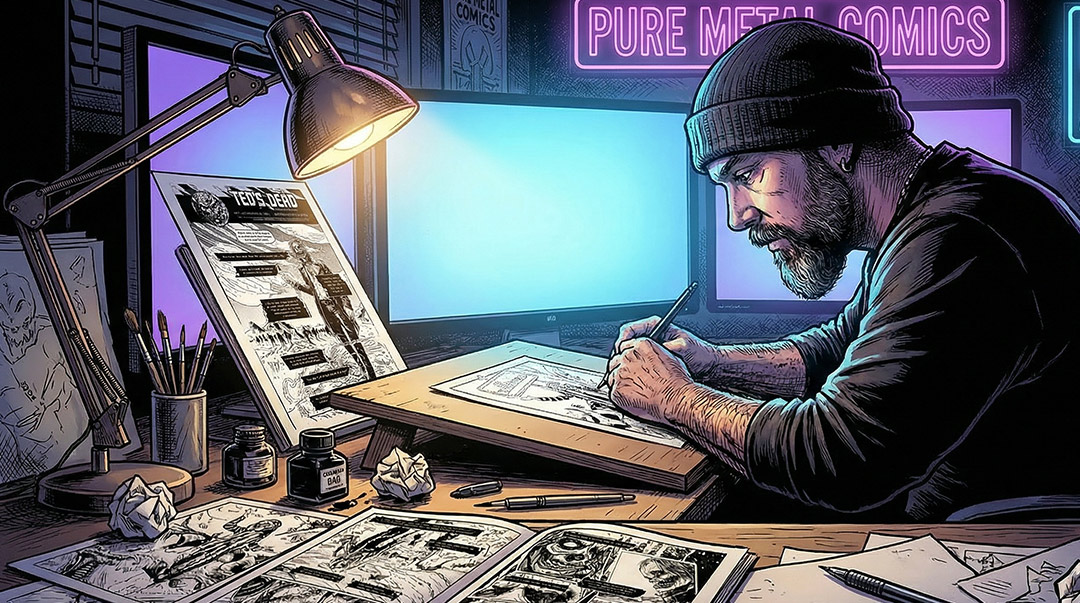
Breaking into the comic book industry can feel overwhelming, especially when you’re trying to figure out where—and how—to submit your artwork. Many aspiring artists assume it’s just about finding the right email address and hitting send. In reality, the process is far more strategic. Knowing who accepts submissions, what they’re looking for, and how to present your work professionally can make all the difference.
Whether you’re an illustrator, writer-artist, or full creative team, this guide will walk you through the best places to submit your comic book artwork and how to dramatically improve your chances of getting noticed.
Understanding the Comic Submission Landscape
Before you start sending out emails, it’s important to understand how the comic book industry works. Not all publishers accept unsolicited submissions. In fact, many of the biggest names in comics do not review cold emails at all.
Major publishers typically hire artists based on:
- Proven portfolios
- Industry connections
- Convention portfolio reviews
- Previous published work
That doesn’t mean breaking in is impossible—it just means your strategy needs to be smarter.
Why Big Publishers Don’t Accept Submissions
Companies like Marvel and DC receive thousands of submissions every year. To avoid legal complications and manage volume, they’ve moved away from accepting unsolicited work.
Instead, they rely on:
- Talent scouting at conventions
- Referrals from industry professionals
- Established artists with proven track records
For new creators, this means your best entry point is often through indie publishers or building your own audience first.
Major Publishers (Selective / Portfolio-Based)
Marvel Comics
- ❌ No unsolicited submissions accepted
- ✅ Best route: portfolio reviews at conventions or through editors on social media
- Occasionally hires through talent search programs
DC Comics
- ❌ Also does not accept unsolicited submissions
- ✅ Portfolio reviews at events and industry networking
Best Comic Book Publishers That Accept Submissions
The good news? There are many publishers actively looking for new talent. These companies are more accessible and often more open to fresh ideas and unique styles.
Mid-Size & Indie Publishers (Open to Submissions)
1. Image Comics
Image Comics is one of the most respected indie publishers in the industry. They operate on a creator-owned model, meaning you retain the rights to your work.
However, there’s a catch:
- You need a complete team (artist, writer, letterer, etc.)
- Your project must be fully developed
- Quality expectations are extremely high
This is a great option if you’re serious about building your own intellectual property.
- 🌐 https://imagecomics.com/submissions
- 📧 No general email — submission is through guidelines
- ⚠️ Creator-owned only (you keep rights, but must bring a full team)
2. Dark Horse Comics
Dark Horse has published everything from superhero titles to horror and licensed properties. While they don’t always have open submissions, they do periodically review portfolios.
Best approach:
- Monitor their submission guidelines regularly
- Prepare a polished, professional portfolio
- 🌐 https://www.darkhorse.com/Company/Submissions
- ❌ Currently limited submissions (check guidelines often)
- They do review portfolios when open
3. BOOM! Studios
BOOM! Studios is known for its diverse range of comics, from original series to licensed titles.
They accept submissions via email when open and are particularly interested in:
- Strong storytelling
- Unique visual styles
- Marketable concepts
- 📧 submissions@boom-studios.com
- Accepts pitches (check current guidelines before sending)
4. AfterShock Comics
AfterShock is a creator-driven publisher that values bold ideas and strong execution.
They accept submissions that include:
- A compelling pitch
- Sequential artwork
- A clear understanding of your story direction
If your work leans toward darker or more mature themes, this could be a great fit.
- 📧 submissions@aftershockcomics.com
- Accepts full pitches (art + story preferred)
5. Scout Comics
Scout Comics is one of the most indie-friendly publishers out there. They actively look for new creators and are open to submissions.
They’re a great starting point if you’re trying to:
- Get your first published credit
- Build industry experience
- Develop your portfolio
- 📧 submissions@scoutcomics.com
- Indie-friendly, open to new creators
6. AWA Studios
AWA (Artists, Writers & Artisans) is more selective but still worth keeping on your radar. They occasionally open submission windows and focus on high-quality storytelling.
- 🌐 https://awastudios.com
- More selective, but worth watching for submission calls
7. Zenescope Entertainment
Zenescope specializes in fantasy, horror, and dark storytelling. If your artwork fits that tone, this is a strong opportunity.
They accept submissions via email and are known for visually striking, stylized art.
- 📧 submissions@zenescope.com
- Known for fantasy/horror—could fit your vibe
Smaller / Indie-Friendly (Great for Breaking In)
8. Source Point Press
Source Point Press is another indie publisher that’s very welcoming to new talent. They publish a wide range of genres and often work closely with creators.
This is one of the best places to:
- Break into the industry
- Build relationships
- Get your work printed
- 📧 submissions@sourcepointpress.com
- Very open to new creators
9. Alterna Comics
Alterna Comics offers a unique approach with affordable print formats and a focus on storytelling over flashy production.
They periodically accept submissions, so timing is key.
- 🌐 https://www.alternacomics.com/submissions
- Accepts submissions periodically
What to Include in Your Submission Email
Sending your work without structure is one of the fastest ways to get ignored. Publishers don’t have time to dig through messy or incomplete submissions.
Here’s what you should include:
1. A Short, Professional Introduction
Keep it simple:
- Who you are
- What you do
- Why you’re reaching out
2. Sequential Art Pages (Very Important)
This is where many artists go wrong.
Publishers want to see:
- Storytelling ability
- Panel flow
- Character consistency
Send 5–10 pages of sequential art—not just standalone illustrations.
3. Character Designs
Include a few strong character sheets to show your design skills and range.
4. A Brief Pitch
Summarize your story in 1–2 paragraphs:
- Genre
- Main character
- Core conflict
- Unique hook
5. Portfolio Link
Always include a clean, easy-to-navigate portfolio. Avoid sending large attachments unless requested.
Common Mistakes That Hurt Your Chances
Even talented artists get rejected because of avoidable mistakes. Here are the most common ones:
Sending Only Pinups
Pinups look great, but they don’t show storytelling ability. Comics are about narrative flow.
Overloading the Email
Keep your message concise. Editors don’t have time to read long, unfocused emails.
Ignoring Submission Guidelines
Every publisher has different requirements. Not following them shows a lack of professionalism.
Mass Emailing Publishers
Sending the same generic email to multiple companies is easy to spot—and often ignored.
How to Stand Out From Other Artists
Talent matters, but presentation and strategy matter just as much.
Develop a Unique Style
Don’t chase trends. Publishers are looking for artists who bring something original to the table.
Focus on Storytelling
Clean panel transitions, strong pacing, and emotional clarity will set you apart more than flashy art.
Build an Online Presence
Having a website or social media following shows that:
- You’re serious about your craft
- You can help promote your work
Network in the Industry
Attend conventions, join online communities, and connect with other creators. Relationships often open doors faster than cold emails.
Should You Self-Publish First?
In today’s comic industry, self-publishing is more powerful than ever.
Platforms like:
- Kickstarter
- Webtoon
- Personal websites
Allow you to:
- Build an audience
- Prove demand for your work
- Gain experience
Many successful creators were discovered because they already had momentum behind their projects.
The Reality of Breaking In
Getting published isn’t just about skill—it’s about persistence.
You will likely face:
- Rejections
- No responses
- Requests for revisions
That’s normal.
The artists who succeed are the ones who:
- Keep improving
- Keep submitting
- Keep creating
Final Thoughts
Submitting your comic book artwork to publishers is a process that requires patience, strategy, and professionalism. While it might be tempting to aim straight for the biggest names in the industry, your best chances often lie with indie publishers who are actively looking for new voices.
Focus on building a strong portfolio, mastering sequential storytelling, and targeting the right publishers for your style. Over time, those efforts can lead to real opportunities—and potentially a long-term career in comics.
Remember, every professional comic artist started exactly where you are now: with a portfolio, a dream, and the courage to hit “send.”
Recent Comments