


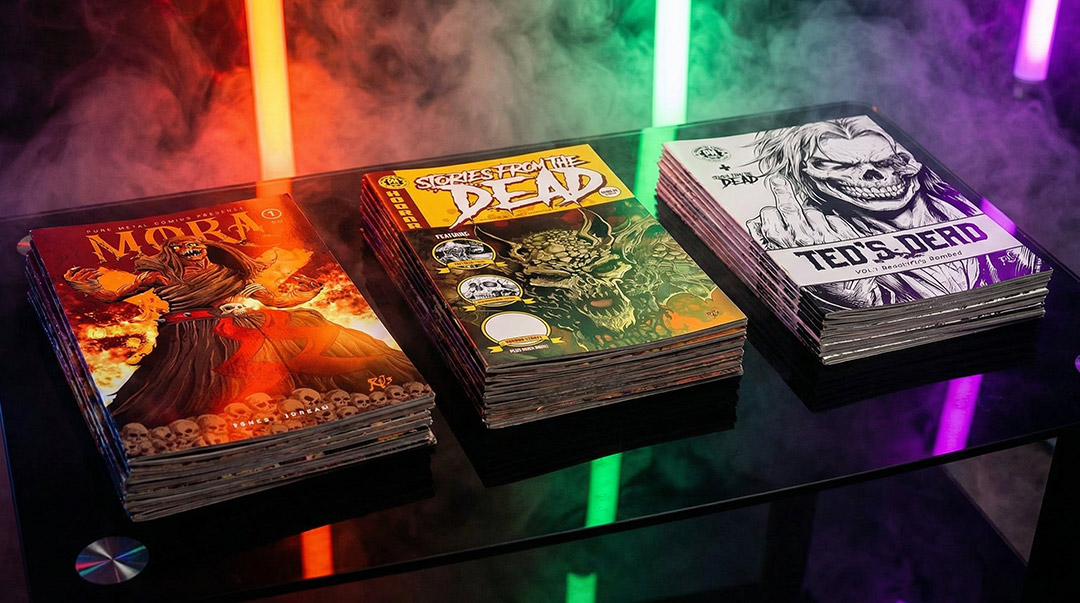
The comic book industry in 2026 is no longer defined solely by capes, superheroes, and the dominance of major publishers. Instead, it has evolved into a diverse, creator-driven ecosystem where independent voices, digital platforms, and direct-to-fan business models are reshaping what it means to succeed.
While legacy publishers still hold cultural weight, the real momentum is shifting toward independent creators who understand branding, storytelling, and audience engagement. The barriers to entry have lowered, but the competition has increased—making strategy just as important as talent.
This is not just a creative industry anymore. It’s a business battlefield.
The Rise of Indie Creators
Independent comics are no longer the “alternative”—they are the future.
Platforms like Kickstarter, social media, and direct-to-consumer websites have allowed creators to bypass traditional gatekeepers. Artists and writers now have the power to:
- Fund their projects directly
- Build loyal fanbases
- Control their intellectual property
This shift has changed the power dynamic completely. Instead of pitching to publishers, creators are building their own ecosystems.
However, with that freedom comes responsibility. Indie creators must now think like entrepreneurs:
- Marketing matters
- Branding matters
- Consistency matters
Those who succeed are not just great artists—they are smart operators.
Mainstream Publishers: Still Powerful, But Changing
Major publishers still dominate retail shelves and global recognition, but they are adapting—slowly.
They are increasingly:
- Recruiting indie talent with built-in audiences
- Expanding into multimedia (film, streaming, games)
- Experimenting with digital-first releases
However, their traditional model can feel restrictive to modern creators. Contracts, deadlines, and creative limitations often push artists to explore independent paths instead.
The relationship between indie and mainstream is no longer competitive—it’s cyclical. Many creators build their name independently before stepping into larger opportunities.
Digital Comics Are Reshaping Consumption
Digital comics have exploded in popularity, especially among younger audiences.
Webcomics, mobile-first formats, and vertical scrolling storytelling are becoming standard. Readers want:
- Instant access
- Affordable content
- Binge-worthy storytelling
This has changed how comics are structured. Stories are now often designed for:
- Episodic release
- Short attention spans
- Visual impact on screens
Creators who ignore digital formats risk falling behind.
The Power of Personal Branding
In 2026, the creator is just as important as the comic.
Fans don’t just follow stories—they follow people. Social media has turned artists into brands, and that brand determines visibility, trust, and ultimately, sales.
A strong comic brand includes:
- Consistent visual identity
- Recognizable art style
- Clear voice and tone
- Engaged audience
This is where many talented creators fail. Skill alone is no longer enough.
Merchandising: The Real Revenue Engine
One of the biggest shifts in the comic industry is where the money actually comes from.
Comics often act as the gateway product, while real profit comes from:
- Prints
- Apparel
- Collectibles
- Limited editions
Smart creators treat their comics as intellectual property—not just a product.
And one critical rule stands out:
Always reinvest into your merch.
After every show or sale, pull out the cost of replacing what you sold before spending profits. This ensures you always have inventory for the next opportunity.
Without inventory, you don’t have a business.
The Convention Circuit: Still Essential
Despite digital growth, in-person events remain a cornerstone of the industry.
Comic conventions offer:
- Direct fan interaction
- Immediate sales
- Networking opportunities
For indie creators, conventions are where brands are built face-to-face.
However, success at conventions requires preparation:
- Strong booth presentation
- Clear pricing strategy
- Engaging personality
It’s not just about showing up—it’s about standing out.
Challenges Facing Creators
The modern comic industry is full of opportunity—but also challenges:
Oversaturation
More creators mean more competition. Visibility is harder than ever.
Time Management
Creators must balance art, marketing, and business operations.
Financial Risk
Printing, supplies, and convention costs add up quickly.
Burnout
Constant content creation can lead to creative exhaustion.
Those who succeed are the ones who build systems, not just projects.
Opportunities for the Next Generation
Despite the challenges, the opportunities in 2026 are massive:
- Global audience reach through social media
- Direct monetization through fans
- Creative freedom without gatekeepers
- Expansion into film, animation, and gaming
The comic industry is no longer a closed door. It’s an open field.
Conclusion: Adapt or Get Left Behind
The comic book industry in 2026 rewards creators who think beyond the page.
It’s no longer just about making great comics—it’s about building a brand, managing a business, and connecting with an audience.
The creators who win are the ones who:
- Stay consistent
- Adapt to trends
- Invest in themselves
- Treat their work like a business
This is the new era of comics.
And it belongs to those willing to evolve.