


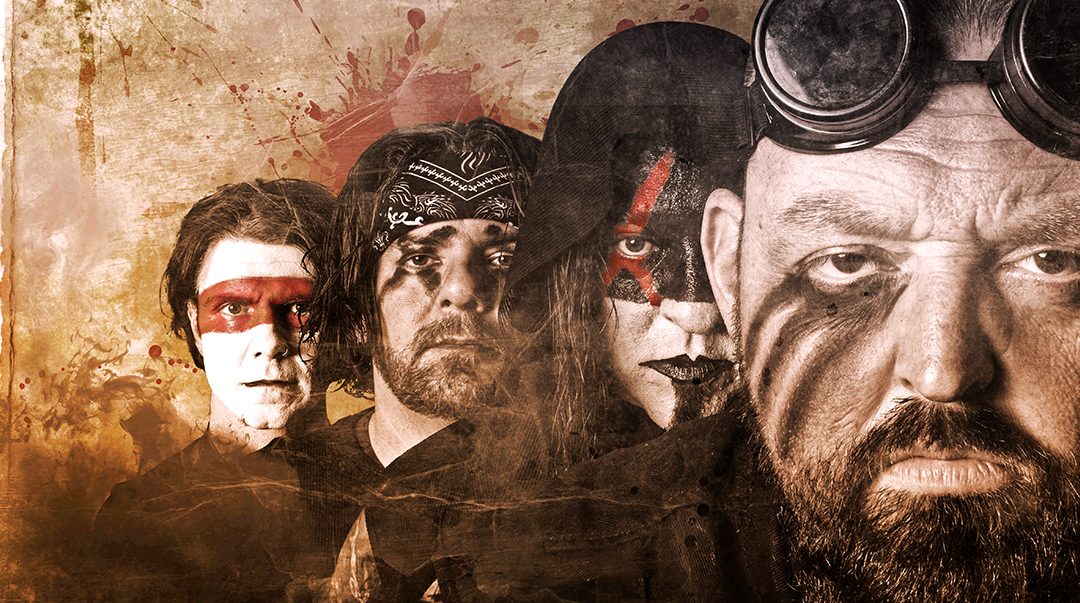
Building a Powerful Visual Identity Through Storytelling
Music photography has evolved far beyond simple portraits and promotional headshots. In 2026, it has become one of the most powerful tools for artist branding, visual storytelling, and audience engagement. In an industry where attention spans are short and competition is intense, strong photography can define an artist’s entire identity before a single note is heard.
Today’s music photography trends are driven by a fusion of cinematic storytelling, fashion-forward aesthetics, and conceptual artistry. Artists are no longer just documenting their image—they are crafting immersive visual worlds that extend across album artwork, social media platforms, merchandise, websites, and live performances. Photography is now a cornerstone of a musician’s brand, working hand-in-hand with graphic design to create a cohesive and recognizable presence.
The Shift from Portraits to Visual Storytelling
Traditionally, music photography focused on capturing the likeness of an artist or band. Clean lighting, neutral backgrounds, and straightforward compositions were the norm. While this approach still has its place, it is no longer enough to stand out in today’s visually saturated landscape.
In 2026, the focus has shifted toward story-driven imagery. Every photoshoot is treated as a narrative opportunity—an extension of the artist’s sound, personality, and message. Whether it’s a dark, moody series set in an abandoned building or a vibrant, stylized shoot inspired by retro pop culture, the goal is to evoke emotion and curiosity.
This storytelling approach allows fans to connect with artists on a deeper level. Instead of simply seeing what an artist looks like, they experience a mood, a concept, or even a fictional world that enhances the music itself.
Cinematic Photography: The Dominant Aesthetic
One of the most defining music photography trends in 2026 is the rise of cinematic visuals. Inspired by film and television, this style emphasizes dramatic lighting, intentional composition, and a strong sense of atmosphere.
Cinematic photography often includes:
- Deep shadows and high contrast lighting
- Carefully composed scenes with foreground and background elements
- Color grading inspired by film (teal and orange, desaturated tones, or bold color washes)
- Narrative-driven setups that feel like stills from a movie
This approach transforms a standard photoshoot into something much more compelling. It creates depth, intrigue, and a sense of professionalism that elevates an artist’s overall brand.
For musicians, cinematic photography is especially effective because it aligns naturally with the emotional and storytelling aspects of music. It allows visuals to mirror the tone of an album or song, creating a unified artistic experience.
Moody Lighting and High-Contrast Imagery
Lighting has always been a critical element in photography, but in 2026, it has become a defining stylistic choice. Moody lighting and high-contrast imagery are dominating the music scene, particularly in genres like rock, hip-hop, and alternative.
This trend emphasizes:
- Strong directional lighting
- Deep shadows that add mystery and depth
- Limited color palettes for a more focused look
- Strategic highlights that draw attention to the subject
The result is a dramatic, visually striking image that captures attention instantly. This style works exceptionally well for album covers, promotional materials, and social media content, where standing out is essential.
The Return of Analog: Film Aesthetics and Grain
In contrast to the polished perfection of digital photography, many artists are embracing the imperfections of analog. Film aesthetics, grain textures, and vintage color tones are making a strong comeback.
This trend includes:
- Visible grain and texture
- Slight color shifts and imperfections
- Light leaks and lens flares
- Soft focus and natural blur
These elements add authenticity and nostalgia, making images feel more human and less manufactured. For many artists, this aligns with a desire to create something raw and real in an increasingly digital world.
Film-inspired photography also pairs well with retro design trends, creating a cohesive visual identity that feels both modern and timeless.
Environmental Portraits: Location as a Character
Another major trend in artist branding photography is the use of environmental portraits. Instead of shooting in a studio, photographers are placing artists in real-world locations that enhance the story.
Popular settings include:
- Urban environments (alleys, rooftops, city streets)
- Industrial spaces (warehouses, factories)
- Natural landscapes (forests, deserts, lakes)
- Abandoned or unconventional locations
In these shoots, the environment becomes more than just a background—it becomes a character in the story. The setting helps communicate the artist’s identity, genre, and mood.
For example, a gritty urban setting might reinforce a hip-hop artist’s authenticity, while a dreamy natural landscape might complement an indie or folk musician’s sound.
Surreal and Conceptual Imagery
As artists continue to push creative boundaries, surreal and conceptual photography is becoming increasingly popular. This trend focuses on creating visuals that go beyond reality, often incorporating symbolic elements and abstract ideas.
Examples include:
- Floating objects or subjects
- Unusual color combinations
- Dreamlike compositions
- Symbolic props and staging
This approach allows artists to express deeper themes and ideas that may not be immediately obvious. It invites viewers to interpret the image and engage with it on a more intellectual level.
Surreal photography is particularly effective for artists who want to stand out and create a unique, memorable visual identity.
Fashion Meets Music: Editorial Influence
The line between music photography and fashion photography continues to blur. In 2026, many artists are embracing editorial-style shoots that look like they belong in high-end magazines.
This trend emphasizes:
- Styled wardrobes and bold fashion choices
- High-end production quality
- Creative direction and art direction
- Polished yet expressive imagery
Fashion plays a crucial role in defining an artist’s image. By incorporating editorial elements, musicians can elevate their brand and position themselves as trendsetters rather than just performers.
AI-Assisted Editing and Creative Enhancement
Technology is playing a growing role in shaping music photography trends. AI-assisted tools are being used to enhance images, streamline workflows, and experiment with new creative possibilities.
Common uses include:
- Advanced retouching and color grading
- Background enhancement or replacement
- Lighting adjustments
- Creative effects and overlays
However, the key to using AI effectively is balance. The goal is not to replace creativity but to enhance it. The most successful artists use these tools to refine their vision while maintaining authenticity.
Consistency Across All Platforms
One of the most important aspects of modern music photography is consistency. Images must work seamlessly across multiple platforms, including:
- Album artwork
- Streaming services
- Social media profiles
- Websites
- Posters and promotional materials
- Merchandise
This means maintaining a consistent color palette, lighting style, and overall aesthetic. When fans see a photo, they should immediately recognize the artist—even without context.
Consistency builds trust and strengthens brand identity, making it easier for artists to stand out in a crowded market.
Photography as a Core Branding Tool
In 2026, photography is not just a supporting element—it is a central component of an artist’s brand. Strong visuals can:
- Attract new listeners
- Increase engagement on social media
- Boost merch sales
- Enhance live show promotion
- Strengthen overall brand recognition
Artists who invest in high-quality photography are more likely to succeed because they understand the importance of visual communication.
Creating a Cohesive Visual Ecosystem
The most successful artists approach photography as part of a larger visual ecosystem. This includes:
- Album cover design
- Graphic design elements
- Typography
- Merchandise design
- Video content
When all of these elements work together, they create a unified and immersive experience for fans.
For example, a photoshoot might provide images that are used for:
- Album artwork
- Social media posts
- Tour posters
- Merch graphics
By planning ahead and thinking strategically, artists can maximize the impact of their photography.
Standing Out in a Competitive Industry
With millions of artists competing for attention, standing out requires more than just good music. It requires a strong, recognizable visual identity.
To achieve this, artists should:
- Invest in professional photography
- Develop a clear visual style
- Experiment with creative concepts
- Maintain consistency across all platforms
Photography is often the first impression an artist makes. In many cases, it determines whether someone will stop scrolling and take notice.
Final Thoughts
The music photography trends dominating 2026 reflect a broader shift toward storytelling, creativity, and brand identity. From cinematic visuals and moody lighting to surreal concepts and analog textures, artists are exploring new ways to connect with their audience through imagery.
Photography is no longer just about capturing a moment—it’s about creating an experience. It’s about building a visual language that complements the music and resonates with fans across every platform.
In a world where visuals are just as important as sound, artists who embrace these trends and invest in their visual identity will be the ones who rise above the noise.